
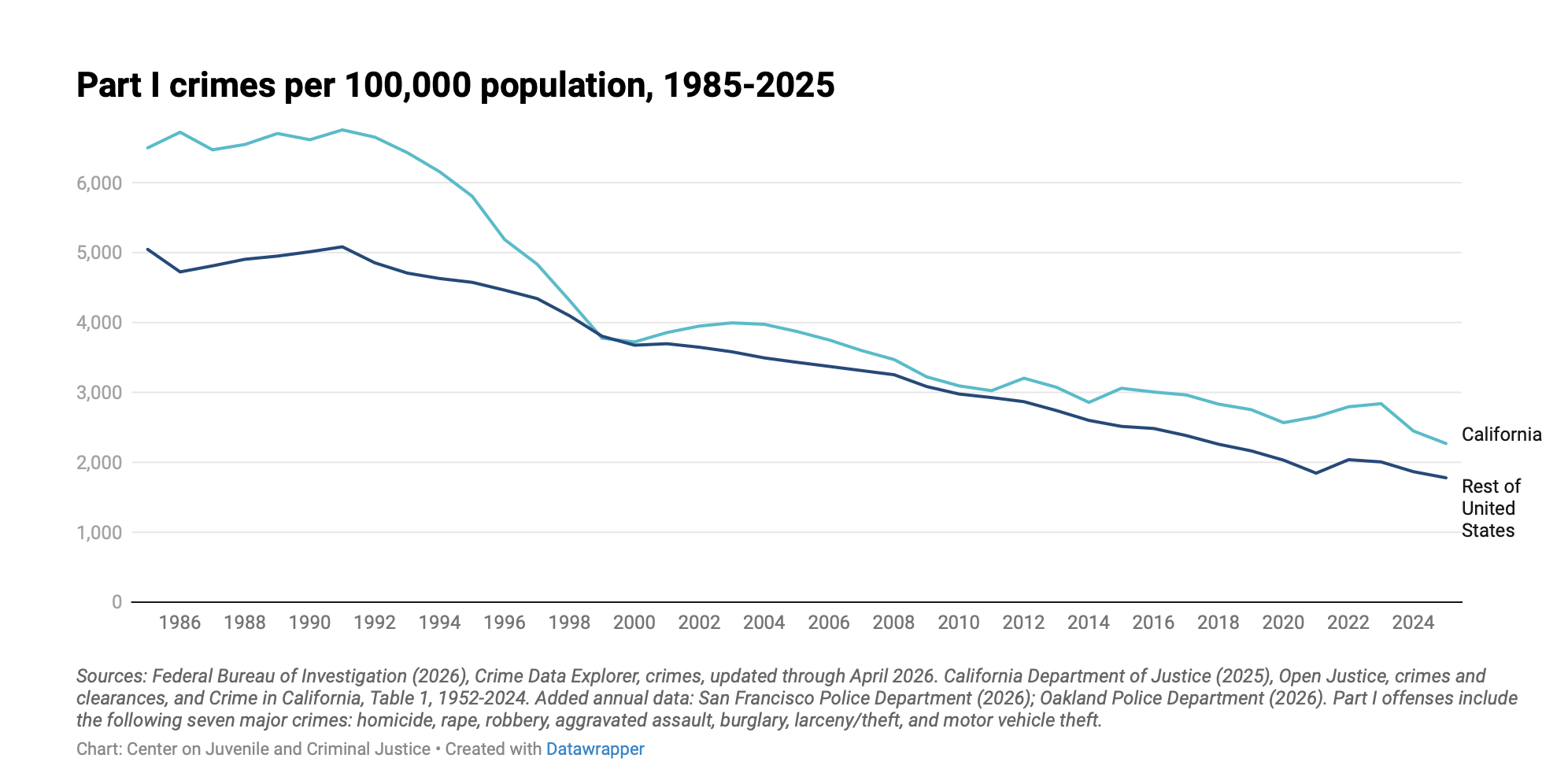
A recent piece by The Davis Vanguard titled “Prop 36: A Public Health Failure” lays out what many of us working on the front lines are already seeing every day. If you haven’t read it yet, it’s worth your time: https://davisvanguard.org/2026/04/prop-36-public-health-failure/
The article cuts through the noise and gets to the heart of the issue. Proposition 36 was presented to the public as a way to move people struggling with addiction into treatment instead of jail. It sounded like progress. It sounded like compassion paired with accountability.
But in practice, it is doing the opposite.
What we are seeing across California is not a system guiding people toward recovery. It is a system pushing them deeper into the same cycles that have failed for decades. People are still being arrested, still moving through courts, and still ending up behind bars. The promise of treatment is there in theory, but for most people, it never becomes reality.
That gap between promise and reality is where the real damage happens.
The data emerging since Prop 36 took effect is hard to ignore. Only a small fraction of eligible cases are even connected to treatment, and an even smaller number complete it. The overwhelming majority remain tied up in the criminal justice system, carrying charges, records, and consequences that make long term stability even harder to reach.
If you step back, the problem becomes clear. We are trying to solve a public health crisis with a criminal justice tool.
Addiction does not respond to punishment the way policy sometimes assumes it will. It doesn’t disappear because someone is arrested. It doesn’t stabilize because someone sits in a cell. In many cases, it gets worse. People lose what little stability they have. Treatment is interrupted. Housing becomes even more fragile. And when they return to the community, they are more vulnerable than before.
One of the most dangerous moments comes right after release. Tolerance drops, but the underlying struggle remains. That’s why overdose risk spikes so sharply during that period. It’s a reality that people working in recovery understand well, but one that policy often overlooks.
What makes this even more frustrating is that California already has the resources to do better. Billions of dollars have been directed to counties over the years for alternatives to incarceration. The issue is not that we lack funding. It’s that we have not consistently directed those resources toward what actually works, nor have we required meaningful accountability for results.
At the same time, treatment remains out of reach for far too many people. Beds are limited. Waitlists are long. And when someone finally reaches the point where they are ready to accept help, the system is often not ready for them. That delay can cost everything.
This is the gap that needs to be addressed.
At Christ-Centered Ministries, we see it up close. We work with individuals who are ready to change, who want a different path, but who need access, structure, and support to make that change sustainable. Recovery is not just about getting clean. It is about rebuilding a life. That means stable housing, meaningful work, and a support system that does not disappear the moment someone stumbles.
That is why we are expanding Project RESTORE. The goal is simple but urgent: increase treatment capacity, reduce the time between someone asking for help and actually receiving it, and provide the kind of integrated support that leads to long term stability. Moving from 10 to 50 beds is not just a number. It represents dozens more lives that have a real chance at recovery instead of cycling back through the system.
This is where donor support becomes critical.
Policy conversations will continue. Reports will be written. Debates will go on. But the work of restoring lives happens in real time, with real people, in real places. It happens when someone who is ready for help actually gets a bed, a program, and a path forward.
Proposition 36 was built on the idea that the justice system could drive recovery. What we are seeing now is that recovery requires something deeper. It requires access, consistency, and investment in people, not just enforcement.
If we want safer communities, we have to be honest about what produces them. Stability produces safety. Treatment produces stability. And people who are given a real chance to rebuild their lives are far less likely to return to the behaviors that brought them into the system in the first place.
The path forward is not complicated. It just requires a shift in where we place our focus and our resources.
And for those willing to invest in solutions that actually work, the impact is immediate and lasting.